



Metro Atlanta's Shift to Luxury Vinyl Plank: Evaluate Specs, Verify Installation, and Plan Smart Upgrades
Save it, repair it, refinish it—or plan to replace it?
Send the floor type, the problem and up to four photos. Get a preliminary next-step path, then hand the project to Final Floors for a real on-site evaluation and estimate.

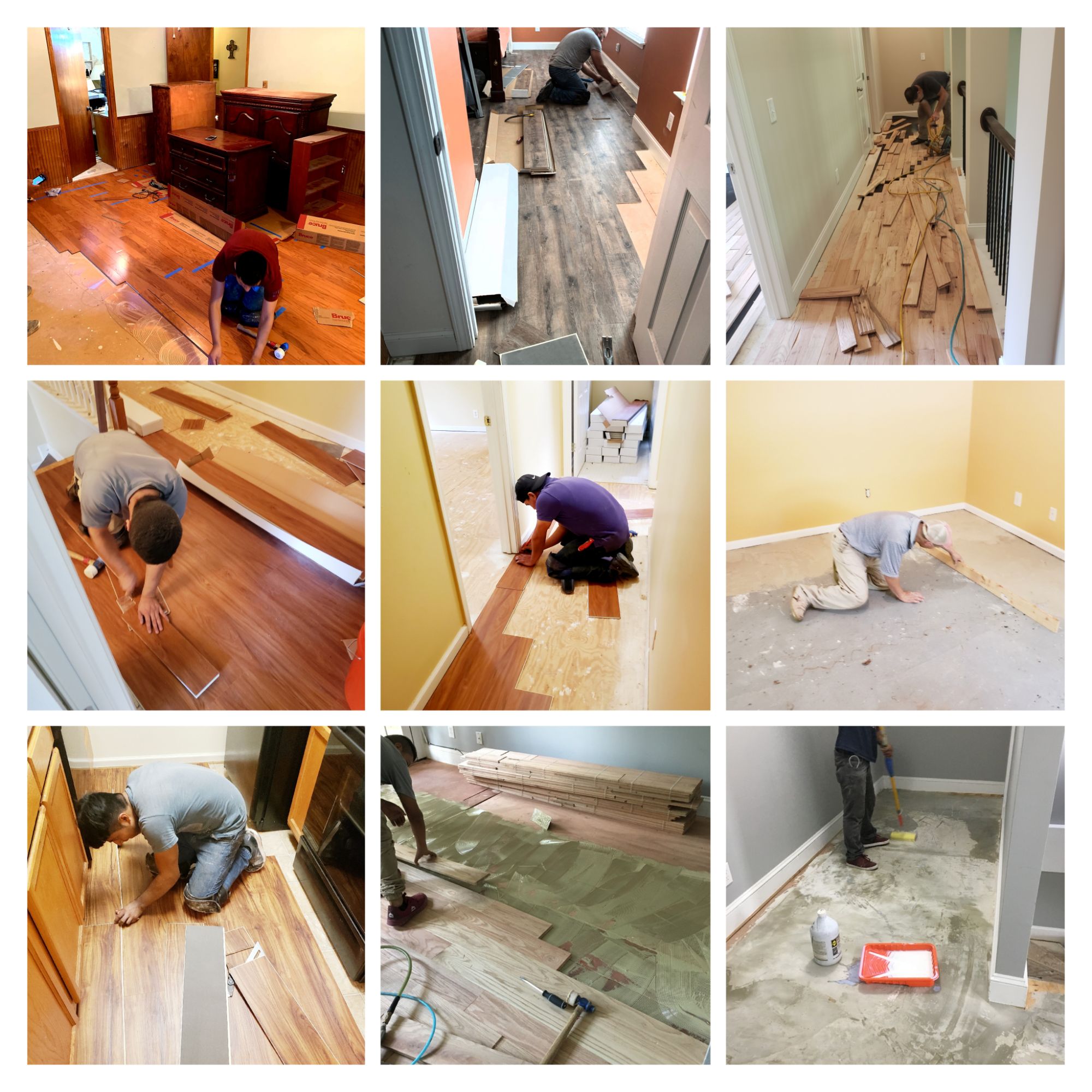
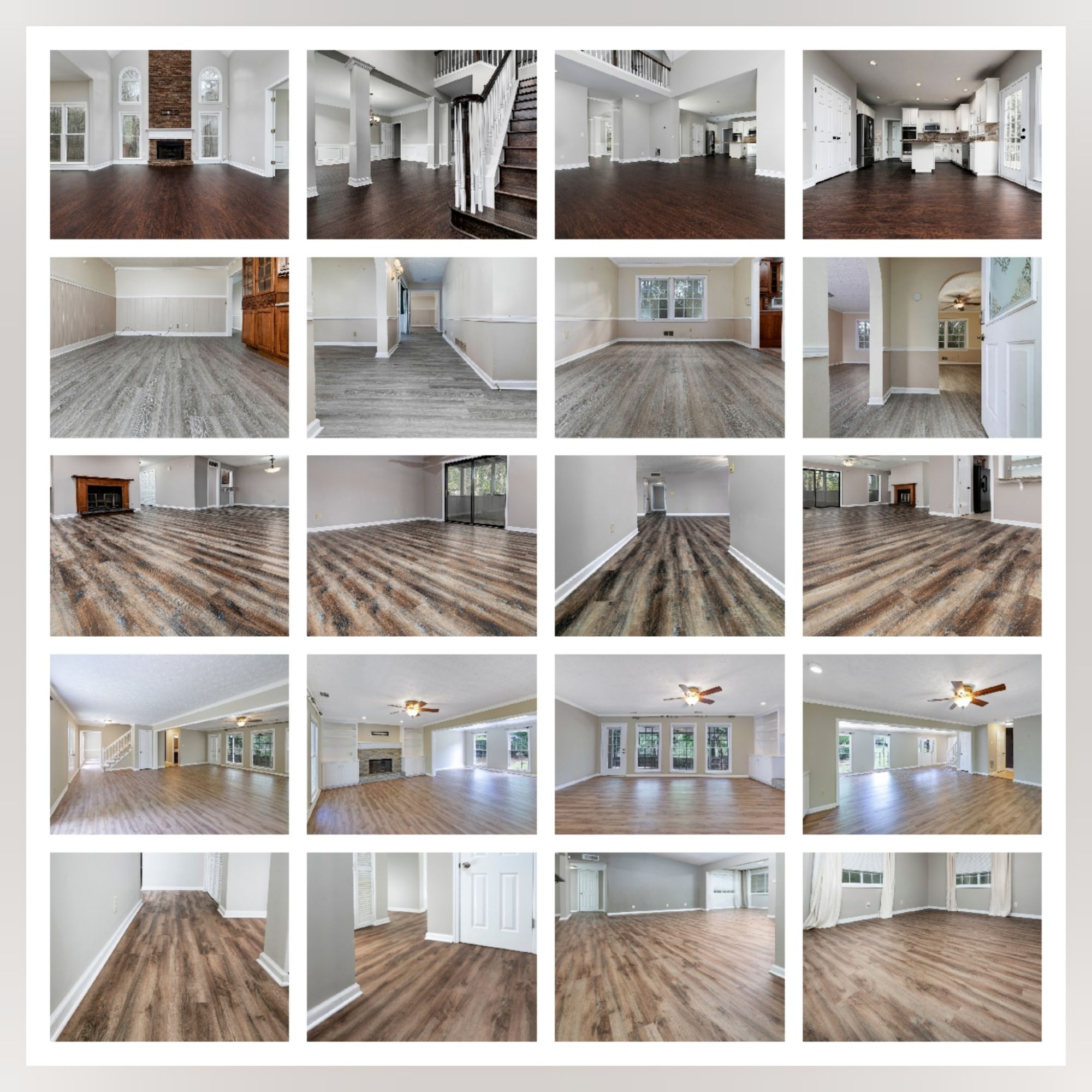


Across the Southeast—especially in Metro Atlanta’s fast-growing markets like Roswell, Alpharetta, Marietta, and Sandy Springs—new single-family communities are increasingly delivering homes with luxury vinyl plank (LVP) as a standard finish. Builders appreciate LVP’s waterproof performance, fast installation, and predictable budgets. Buyers value its durability with pets and kids, contemporary wood looks, and easy maintenance. For homeowners, new-build buyers, and investors, understanding how to evaluate LVP specifications and installation quality will help you protect long-term value and plan smart upgrades.
Why Builders and Buyers Favor LVP
- Waterproof performance: Rigid-core LVP (SPC/WPC) resists spills, pet accidents, and everyday moisture far better than site-finished hardwood. It is ideal for kitchens, basements, laundry rooms, and active households.
- Durability for pets and kids: A quality wear layer and factory-applied urethane or ceramic bead finish withstand scratching and staining. Cleanup is simple—damp-mop and go.
- Scheduling: Confirm the schedule after measurements, material availability, subfloor and moisture checks, product requirements, and building access are reviewed. For rentals or occupied businesses, agree on phasing and re-entry before setting a move-in or reopening date.
- Budget control: Compared to hardwood or large-format tile, LVP offers high design impact at a favorable price point, without sacrificing day-to-day performance.
- Style consistency: Wide-plank visuals, realistic textures, and matched transitions provide a clean, modern look that works from Buckhead condos to Milton family homes.
How to Read an LVP Spec Sheet
Not all vinyl plank is equal. When reviewing a builder’s standard or selecting an upgrade, focus on the following:
- Core type:
- SPC (stone plastic composite) offers superior dent resistance, dimensional stability, and waterproof performance. It is ideal for high-traffic households and rentals.
- WPC (wood plastic composite) provides a slightly softer, warmer underfoot feel and enhanced sound absorption, but can be more dent-prone.
- Total thickness: Look for 5–8 mm total thickness for most homes. Thickness can improve rigidity, hiding minor subfloor imperfections when paired with proper prep.
- Wear layer: Target 12–22 mil for busy homes with pets and kids. Thicker wear layers improve scratch and stain resistance and extend service life.
- Finish technology: Urethane with aluminum oxide or ceramic bead improves abrasion resistance. Ask for stain and scratch ratings and any anti-scuff treatments.
- Attached pad: IXPE and XPS pads are common; both are moisture-resistant and help with sound absorption and comfort. Verify pad density and compression recovery.
- Sound ratings (for condos/upper floors): Check STC/IIC ratings. Many HOAs in Midtown or Sandy Springs require minimum IIC/STC targets; confirm the assembly (floor + underlayment + ceiling) meets the rule.
- Plank width/length: Wider (7–9+ inch) and longer planks create upscale visuals and reduce seam lines in open plans common in Alpharetta and Johns Creek.
- Edge profile: Micro-beveled edges hide slight height variations and mimic hardwood. Square edges can look sleeker but demand exceptional subfloor flatness.
- Texture authenticity: Look for EIR (embossed-in-register) textures that align with the printed grain for a more realistic hardwood feel.
- Warranty terms: Review residential and light commercial coverage, including water, pet, and stain clauses. Ensure the warranty remains valid for kitchen and bath use.
Example balanced spec for Metro Atlanta families: SPC core, 6 mm total thickness (including attached pad), 20 mil wear layer, micro-bevel, EIR texture, and STC/IIC ratings appropriate for upstairs installs.
Installation Quality Matters More Than the Box
Even the best LVP can underperform if installed poorly. During builder walkthroughs or when hiring an installer, confirm the following:
- Subfloor flatness prep: Floating LVP requires substrate flatness (often 3/16" over 10'). Skim-coat leveling compounds or grinding should be used where needed. Skipped leveling leads to hollow spots, bounce, and joint strain.
- Moisture testing:
- Concrete slabs (Marietta, Smyrna, and Cumming basements) should be moisture-tested per ASTM (e.g., in-slab RH testing).
- Crawlspace homes (Roswell, East Cobb) need vapor barriers, proper ventilation, and subfloor moisture checks.
Proper moisture management protects warranties and prevents cupping or joint issues.
- Correct expansion gaps: Maintain perimeter clearances and undercut jambs where required. Tight or missing gaps can cause peaking.
- Transitions at doorways: Use manufacturer-approved T-molds, reducers, and end caps to handle height changes and long runs. Matched trims elevate the final look.
- Safe stair nosing solutions: Stairs require dedicated flush or overlap nosings, securely fastened to code, with proper slip resistance.
- Temperature range and acclimation: Rigid-core LVP is less sensitive than wood, but follow the manufacturer’s acclimation and in-service temperature guidelines.
- Clean, warranty-ready practices: Dust control, careful blade changes, and correct tapping block use prevent edge chipping and surface scratches.
Red Flags to Catch Before You Close
- Ultra-thin wear layers (6–8 mil) in high-traffic areas that are likely to show wear prematurely.
- Hollow-sounding or clicking joints that suggest poor flatness, broken locks, or skipped underlayment guidelines.
- Visible telegraphing of subfloor seams, humps, or dips—evidence of inadequate leveling.
- Gaps, peaking, or chipping at edges and transitions.
- Missing or incorrect moisture barriers over slabs or crawlspaces.
- Inconsistent color lots without clear labeling or a lack of attic stock for future repairs.
If you see any of the above during a punch walk in Sandy Springs or Alpharetta, document with photos and request corrective action prior to closing.
Post-Closing Upgrade Strategies
If a builder’s palette is limited—or you want a higher-spec finish—plan a post-closing upgrade that blends performance and design:
- Higher-spec LVP in moisture-prone zones: Kitchens, basements, laundry rooms, and rental turnovers benefit from rigid-core systems with 20 mil wear layers and durable finishes.
- Refinished hardwood in main living areas: Preserve or add value in Buckhead and Brookhaven by refinishing existing hardwood with sanding and low-VOC finishes. Custom stain matching can harmonize with LVP in secondary spaces.
- Tile or natural stone in wet zones: Consider porcelain tile or stone for showers, baths, and entry mudrooms where long-term water exposure is likely.
- Staircase upgrades: Use coordinated treads and nosings for a unified look and safer footing.
A planned, phased approach can deliver the best of all worlds: resilient LVP where water and wear are highest, and beautiful hardwood or tile where it matters most for resale.
Planning, Timelines, and Practical Logistics
Verify current business profiles, recent project references, the written scope and the selected product requirements.
- Low-VOC materials: Select low-VOC adhesives (when required), finishes, and sealants—helpful for families, pets, and sensitive occupants.
- Furniture handling: Clarify moving, protection, and storage. Professional crews should pad-wrap, stage, and reset as needed.
- Trim and paint touch-ups: Baseboards and quarter round may be replaced or repainted. Sequence touch-ups after flooring is complete.
- Subfloor and moisture protection: Budget for leveling, moisture barriers, and sound underlayment where required to protect warranties and improve comfort.
- Communication and sequencing: For remodels in Roswell and Marietta, coordinate with painters, countertop installers, and appliance deliveries to prevent schedule conflicts and floor damage.
For Landlords and Property Managers
In rentals from Marietta to Norcross, the right LVP can reduce total cost of ownership:
- Life-cycle costs: A thicker wear layer and durable finish extend time between replacements, even with pet-friendly policies.
- Quick turns: Floating LVP allows fast unit turns; many projects finish in 1–2 days per unit with coordinated furniture/appliance moves.
- Water-damage recovery: After leaks, rigid-core plank sections can be removed and replaced once the subfloor is dry. Keeping a few extra cartons on hand speeds recovery.
- Noise and compliance: Choose products with appropriate STC/IIC ratings for upstairs units and verify HOA/lease requirements.
Local Notes: Roswell, Alpharetta, Marietta, Sandy Springs
- Roswell: Many homes feature mixed substrates (slab additions, crawlspace originals). Moisture testing and targeted leveling are essential before installing SPC.
- Alpharetta: Open-plan living favors wider, longer planks with EIR textures. Consider higher wear layers (20 mil) for active households and home offices with rolling chairs.
- Marietta: Rental-heavy pockets benefit from durable SPC, matched transitions, and attic stock for quick replacement after turnovers.
- Sandy Springs: Condos and townhomes often require documented sound ratings; verify IIC/STC with the exact underlayment and assembly, not just the plank’s lab sheet.
Verify the business and the written scope
Confirm the schedule after measurements, material availability, subfloor and moisture checks, product requirements, and building access are reviewed. For rentals or occupied businesses, agree on phasing and re-entry before setting a move-in or reopening date.
Walk-Through Checklist for New Builds and Upgrades
Use this checklist to document floor quality and plan smarter next steps:
- Product and Specs
- Confirm core type (SPC/WPC), total thickness, wear layer (12–22 mil for busy homes), finish type, and attached pad.
- Verify color lot consistency and secure 1–2 extra cartons for future repairs.
- Check sound ratings and HOA compliance for condos/townhomes.
- Subfloor and Moisture
- Request slab RH or calcium chloride test results; confirm crawlspace vapor barrier and proper ventilation.
- Inspect for flatness: no ridges, dips, or telegraphing seams.
- Fit and Finish
- Inspect plank joints for tight seams—no gaps, peaking, or hollow sounds.
- Confirm correct expansion gaps at perimeters and undercut door jambs as needed.
- Review transitions at doorways and height changes for safety and aesthetics.
- Examine stair nosings for secure fastening and slip resistance.
- Protection and Cleanup
- Ensure floor protection remains until move-in or final trades are finished.
- Confirm baseboards/quarter round are caulked and paint touch-ups completed.
- Documentation and Warranty
- Obtain product data sheets, installation guidelines, and warranty documents.
- Note installer details and in-service temperature/humidity recommendations.
- Upgrade Planning
- Identify areas for higher-spec LVP (kitchen, basement, laundry) or alternative finishes (refinished hardwood in main living areas; tile/stone in wet zones).
- Schedule estimates and discuss low-VOC options, furniture handling, and project sequencing.
For Metro Atlanta buyers, owners, and investors, a clear understanding of LVP specifications and installation standards ensures you get the performance and look you expect—on time, on budget, and ready for the realities of daily life. Whether you are closing on a new build in Alpharetta, refreshing a Roswell rental, or planning a Sandy Springs condo upgrade, the right product and a disciplined, warranty-ready installation will make your floors look good for years to come.
Save it, repair it, refinish it—or plan to replace it?
Send the floor type, the problem and up to four photos. Get a preliminary next-step path, then hand the project to Final Floors for a real on-site evaluation and estimate.
Technical reference starting points
Use these industry resources for deeper technical context. For tolerances, adhesives, underlayments, care and warranty conditions, the current instructions for the exact product and system being installed remain the controlling source.
Save it, repair it, refinish it—or plan to replace it?
Send the floor type, the problem and up to four photos. Get a preliminary next-step path, then hand the project to Final Floors for a real on-site evaluation and estimate.
Ready to turn the research into a project scope?
Continue this research on the primary Final Floors service site for project-specific scope and estimating.
Need this done in your Atlanta home?
Final Floors LLC — Metro Atlanta flooring since 2016. Verify current reviews and business-profile details through the live third-party profiles.