



Subfloor Preparation: The Key to Protecting Your Flooring Warranty in Metro Atlanta
Save it, repair it, refinish it—or plan to replace it?
Send the floor type, the problem and up to four photos. Get a preliminary next-step path, then hand the project to Final Floors for a real on-site evaluation and estimate.


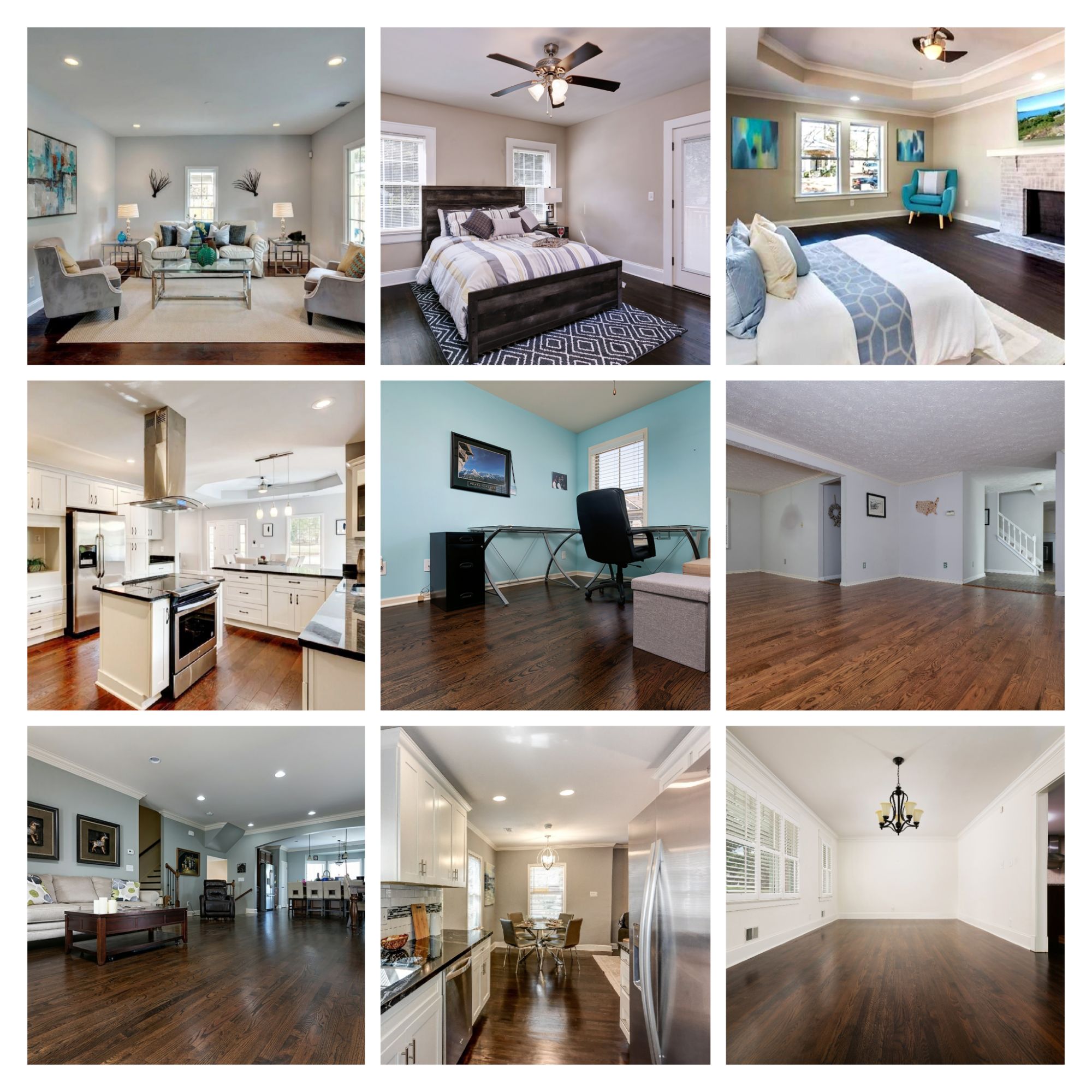

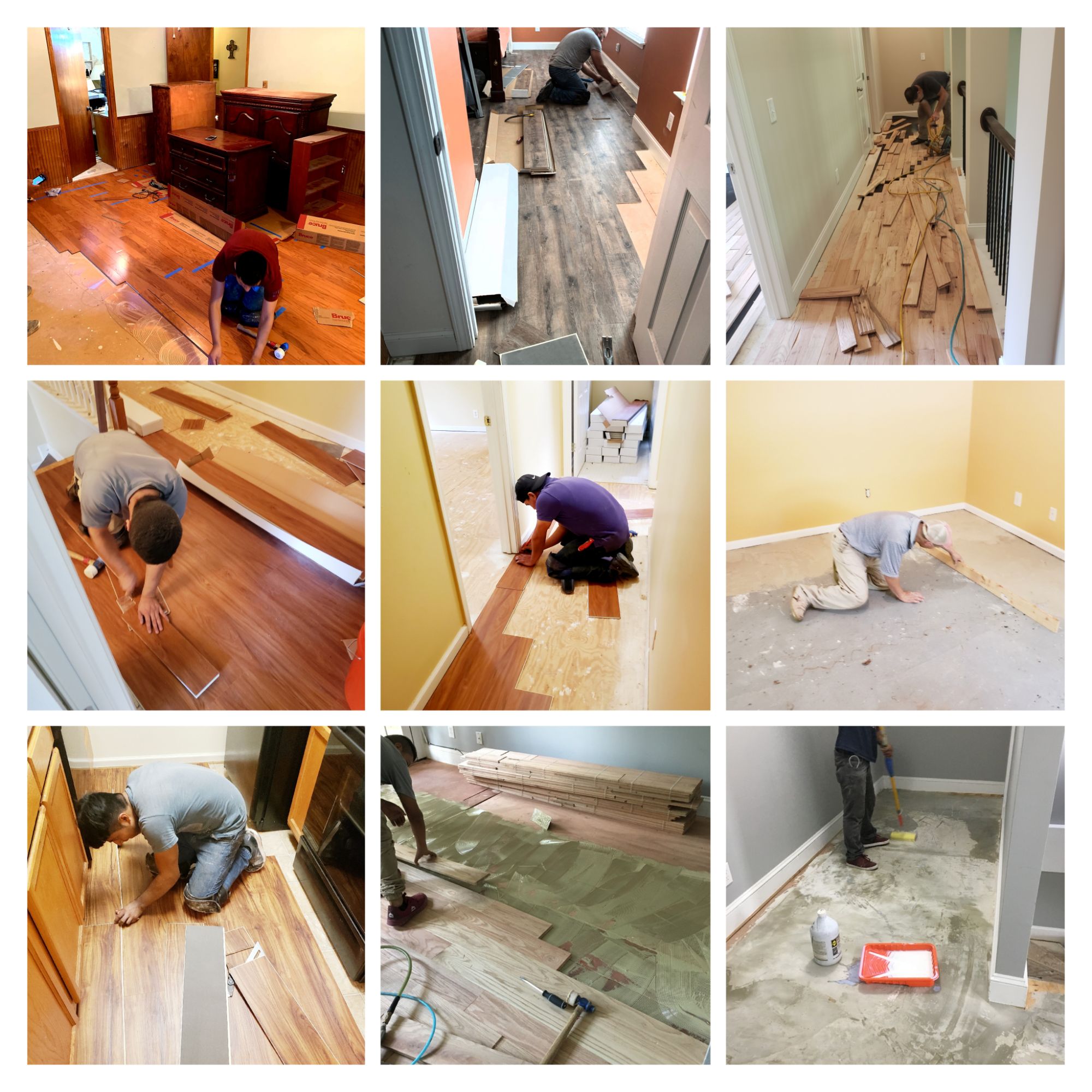
Most flooring failures begin where you cannot see them: in the subfloor. Hollow spots under luxury vinyl plank (LVP), cupping hardwood, or click-seams that separate are often symptoms of an uneven, damp, or acoustically unprotected substrate. For homeowners, realtors prepping listings, and property managers across Roswell, Alpharetta, Marietta, Sandy Springs, and greater Metro Atlanta, proper subfloor preparation is the difference between a quiet, beautiful floor and months of callbacks, claims denials, and tenant complaints.
Manufacturers make it clear: warranties are contingent on substrates meeting specific flatness, dryness, and sound criteria. At Final Floors, LLC, our in-house crews follow those requirements to the letter—so your hardwood refinishing or LVP installation looks great on day one and stays covered for the long haul.
Understanding Flatness Tolerances and Why They Matter
Every flooring system has a published flatness tolerance. If the floor waves, crowns, or dips outside those limits, stress concentrates at seams and fasteners. The result is telegraphing (subfloor imperfections visible through the surface), peaking, gapping, or even delamination.
Typical manufacturer guidelines include:
- Luxury Vinyl Plank/Tile (floating SPC/WPC): substrate flat within 3/16 inch over 10 feet or 1/8 inch over 6 feet
- Glue-down resilient (LVP/LVT): similar or tighter tolerances; smoothness is critical to avoid trowel ridge read-through
- Engineered or solid hardwood (NWFA guidance): within 3/16 inch over 10 feet or 1/8 inch over 6 feet
- Tile and stone: may require 1/8 inch in 10 feet for large-format tile; consult ANSI standards and setting materials data sheets
These numbers vary by brand and product. The principle does not: the flatter the subfloor, the more stable and quiet the finished floor—and the stronger your warranty position.
Common flatness issues we correct across Metro Atlanta:
- Slab birdbaths and humps in 1990s–2000s builds in Alpharetta and Johns Creek
- Framing crowns and ridge lines on plywood in East Cobb and Kennesaw
- Settled transitions between additions and original construction in Roswell and Marietta
- Thin-set residue and paint overspray in Midtown Atlanta retail spaces
Self-Leveling Underlayments, Skim Coats, and Surface Prep
The right leveling plan is project-specific. Our crews evaluate whether to fill, grind, or both, then select materials compatible with your flooring and timeline.
- Concrete slab correction
- Diamond grinding to remove high spots, adhesives, or contaminants and to achieve proper concrete surface profile
- Polymer-modified self-leveling underlayments (SLUs) to fill low areas and create a continuous, smooth plane
- Scheduling: Confirm the schedule after measurements, material availability, subfloor and moisture checks, product requirements, and building access are reviewed. For rentals or occupied businesses, agree on phasing and re-entry before setting a move-in or reopening date.
-
Wood subfloor correction
- Screw-down and re-fastening to eliminate squeaks and deflection
- Planing or sanding crowns, feather-finish patching for seams and minor dips
- Pourable self-levelers rated for wood, with primer, mesh, and perimeter damming as needed
-
Surface cleaning and priming
- Mechanical removal of contaminants that compromise bond (cutback adhesive, paint, drywall mud)
- Manufacturer-approved primers to enhance adhesion, manage porosity, and reduce pinholes
Quality control includes pin-depth checks, pour thickness verification, and re-measurement against tolerance before any plank is installed. This is the groundwork that prevents telegraphing and protects LVP and hardwood warranties.
Moisture Testing and Mitigation: The Non-Negotiable Step
Moisture is the number-one cause of claims denials. Even “waterproof” SPC/WPC LVP can be damaged by persistent vapor pressure, mold growth beneath, or adhesive failure on glue-downs. Hardwood is even more sensitive, expanding and contracting with seasonal humidity swings.
Our moisture protocol follows industry standards:
-
Concrete slab testing
- In-slab relative humidity per ASTM F2170 (typical limits 75–85% RH, product- and adhesive-specific)
- Calcium chloride moisture vapor emission rate (ASTM F1869) where specified (common thresholds 3–5 lbs/1000 sq ft/24 hrs)
- Alkalinity/pH testing to ensure adhesive compatibility
-
Wood subfloor testing
- Pin meter readings for subfloor and hardwood; alignment with NWFA guidelines (subfloor and flooring within manufacturer-specified range, commonly within 2–4% of each other)
- Crawlspace and basement inspections for ventilation and vapor conditions
Mitigation and protection options:
- Two-part epoxy moisture mitigation systems for high-RH slabs prior to glue-down LVP or engineered hardwood
- Integrated high-MVER adhesives approved up to higher RH levels, when specified by the manufacturer
- Poly or film vapor retarders as directed for floating LVP over concrete (do not trap moisture in wood assemblies)
- Dehumidification plans during and after installation, plus acclimation protocols for hardwood refinishing and installs
Skipping or short-cutting these steps is a fast track to cupping, gapping, delamination—and a manufacturer pointing to the fine print. Proper testing documents baseline conditions and keeps warranties intact.
Sound Control for Multi-Story Living and Mixed-Use Buildings
In Sandy Springs condos, Buckhead high-rises, and Alpharetta townhomes, impact sound is a top priority—and often an HOA requirement. Even when LVP includes an attached pad (like XPS foam), buildings frequently require additional sound control.
Key measures and targets:
-
IIC and STC ratings
- Many HOAs and property managers require IIC ≥ 50 (or ≥ 60 in some buildings) and STC ≥ 50
- Delta IIC (the improvement delivered by the underlayment) matters when measuring over concrete
-
Underlayment selection
- Resilient rubber or cork underlayments (2–6 mm) designed and warranted for LVP or engineered hardwood
- Acoustical felt or fiber mats that balance sound, compression resistance, and thermal properties
- Compatibility with floor type (floating vs. glue-down) and adhesive, as mixing the wrong components can void warranties
-
Detailing that makes the difference
- Perimeter isolation at walls and penetrations to prevent flanking noise
- Proper transitions and stair treatments to maintain ratings throughout the assembly
Our team secures and organizes the documentation your board or management company needs (product data sheets, test reports, and installation methods), reducing approval delays and noise-related complaints after move-in.
How Proper Prep Prevents Telegraphing, Delamination, and Denials
The cause-and-effect is straightforward:
- Uneven substrates concentrate load at click seams in LVP, leading to micro-fractures and separation
- Trowel ridges and debris under glue-down plank print through as lines or bumps—classic telegraphing
- Elevated slab RH breaks down adhesive and promotes microbial growth, forcing a full tear-out
- Insufficient sound isolation transmits impact noise, triggering violations and costly retrofits
- Hardwood over a damp or out-of-flat subfloor cups or crowns, and sanding cannot fix the moisture imbalance
In recent projects across Roswell and Marietta, proactive flatness correction with SLU plus RH mitigation preserved manufacturer coverage and prevented schedule slippage for listings. In an Alpharetta condo refresh, the correct acoustical underlayment and perimeter isolation eliminated downstairs noise complaints. In Sandy Springs medical admin spaces, night-shift slab prep and rapid-set products allowed a clean, quiet turnover before Monday opening.
LVP Installations and Hardwood Refinishing: Fast Turnarounds Done Right
Confirm the schedule after measurements, material availability, subfloor and moisture checks, product requirements, and building access are reviewed. For rentals or occupied businesses, agree on phasing and re-entry before setting a move-in or reopening date.
-
Luxury vinyl plank (SPC/WPC)
- Rigid-core, waterproof systems ideal for kitchens, basements, rentals, and post-water-damage rebuilds
- Full subfloor inspection, flatness correction, and moisture protection to keep floating or glue-down warranties valid
- Trim and transition packages for a finished, code-compliant look
-
Hardwood refinishing
- sanding with low-VOC finishes (Bona, DuraSeal, Rubio Monocoat, Minwax)
- Custom stain matching, durable child- and pet-friendly coatings
- Subfloor fastening and leveling adjustments prior to sanding to reduce future squeaks and movement
in-house crews only—never subcontractors—means consistent craftsmanship, clean prep, moisture protection, and warranty-ready installation every time.
Our Warranty-Ready Process
- Free estimate and site walk
- Subfloor and moisture inspection with documented readings
- Product selection brought to your home or office—Shaw, Mohawk, COREtec, Bruce, Mannington, Armstrong
- Leveling, moisture mitigation, and sound underlayment planning according to manufacturer standards and building rules
- Installation by in-house crews, with clean containment and daily communication
- Final walkthrough, care guidance, and closeout package (photos and documentation that support warranty and insurance)
For property managers and commercial clients, we offer after-hours and phased work to minimize disruption, along with insurance putback services and preferred coordination with ServPro and ServiceMaster.
Pricing, Scheduling, and Service Areas
- Written pricing: Compare a current written proposal that separates material, removal, disposal, preparation, installation, transitions and cleanup. Identify exclusions and allowances, and agree on how any changes will be documented before work proceeds.
- Featured waterproof rigid-core LVP deal available by the pallet for larger turn projects and value engineering
Service areas include Roswell, Alpharetta, Marietta, Sandy Springs, Johns Creek, Brookhaven, Buckhead, Smyrna, Vinings, Duluth, Suwanee, Kennesaw, Woodstock, Peachtree Corners, Decatur, Dunwoody, Milton, Cumming, East Cobb, Lawrenceville, Norcross, Midtown Atlanta, and surrounding North Metro Atlanta locations.
Who we serve:
- Homeowners seeking durable, quiet floors with clean aesthetics
- Realtors preparing listings and coordinating quick turns
- Designers and builders specifying warranty-backed systems
- Investors and property managers needing fast, phased, after-hours options
Ready to Protect Your Investment?
If you are planning LVP or hardwood refinishing, or managing a turn in a multi-story building, start with the subfloor. Flatness correction, moisture barriers, and sound control are the safeguards that prevent telegraphing, delamination, and costly claims denials—saving time, money, and tenant complaints.
Contact Final Floors, LLC for a free on-site estimate and in-home samples:
- Call: 770-910-9719
- Text: 770-870-9876
- Email: finalfloors@gmail.com
- Website: https://www.finalfloors.com
Hours: Mon–Fri 8am–7pm • Sat 10am–6pm • Sun 12pm–6pm
Compare a current written proposal that separates material, removal, disposal, preparation, installation, transitions and cleanup. Identify exclusions and allowances, and agree on how any changes will be documented before work proceeds.
Verify current business profiles, recent project references, the written scope and the selected product requirements.
Save it, repair it, refinish it—or plan to replace it?
Send the floor type, the problem and up to four photos. Get a preliminary next-step path, then hand the project to Final Floors for a real on-site evaluation and estimate.
Technical reference starting points
Use these industry resources for deeper technical context. For tolerances, adhesives, underlayments, care and warranty conditions, the current instructions for the exact product and system being installed remain the controlling source.
Save it, repair it, refinish it—or plan to replace it?
Send the floor type, the problem and up to four photos. Get a preliminary next-step path, then hand the project to Final Floors for a real on-site evaluation and estimate.
Ready to turn the research into a project scope?
Continue this research on the primary Final Floors service site for project-specific scope and estimating.
Need this done in your Atlanta home?
Final Floors LLC — Metro Atlanta flooring since 2016. Verify current reviews and business-profile details through the live third-party profiles.